Great desserts can be amazingly simple, and even low in fat. The pastry chef and author cooks up a mouth-watering reading list to bring your recipes up to date
I was working in the restaurant business as a line cook, and thought that if I was going to spend the rest of my life doing this I should probably specialise in something. I loved watching people make desserts so I started doing that, and I realised it was really hard. And really fun.
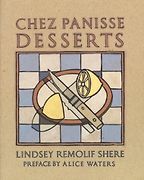
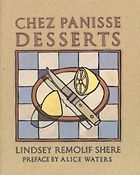
Your first choice is Chez Panisse Desserts by Lindsey Shere.
I worked at this restaurant for 13 years as a baker. I made all of the recipes in the book all the time. That book is a part of my life, and I was heavily influenced by the simplicity of them. They use a lot of fresh fruits and don’t rely on fancy techniques – just good, honest cookery like the books of Jane Grigson. All in all, a very simple approach to honest cooking.
For those who don’t know Chez Panisse, what is it like?
It was one of the first restaurants to lead the movement in America to cook in season, using things that are local and supporting local farms and farmers. When I started there, no one knew what radicchio, blood oranges, goat cheese and baby lettuce were. Our guests were amazed, and now you can find those things in most supermarkets in the States. Chez Panisse was a leader in that movement and is celebrating its 40th anniversary this year.
Lindsey Shere was the co-owner and executive pastry chef. What was she like to work with?
She was self-taught and great. I learnt so much working with her. She grew up on a farm so she knew a lot about fruit and vegetables, and she loved the ingredients.
I know it must be hard, but do you have a favourite dessert from there?
The lemon tart was very good!
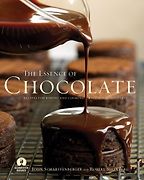
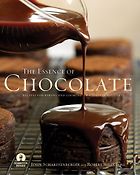
Next up is John Scharffenberger and Robert Steinberg’s The Essence of Chocolate.
I was good friends with both of the authors when they started their now famous chocolate company. I tasted the first chocolate they made, and I remember thinking that it was a bad idea. Then it went on to be very successful, and everyone in America was eating their chocolate.
Why did you think it was a bad idea?
Because no one had done it before, so I said, “Well who is going to buy this chocolate?” But in retrospect I am glad to be proven wrong, because they taught a lot of people in America what chocolate actually is and how it is made.
They were making special cooking chocolate.
It was initially supposed to be for pastry chefs. But they actually found out that their audience was home cooks, because it is very hard to get pastry chefs to change their chocolate.
What kind of chocolate do you like using?
Right now I use various kinds of chocolate. I might use Cacao Barry or Valrhona in France, and in America I will use Guittard or one of the bean-to-bar artisan chocolates from various makers. It sort of depends.
Support Five Books
Five Books interviews are expensive to produce. If you're enjoying this interview, please support us by donating a small amount.
The authors of this book played around with chocolate. They used it to make things like tortilla soup and chile-marinated flank steak.
Yes, but the book isn’t just a cook book. It is also about how they built the company, and what goes into starting this bean-to-bar company. In America there were only nine companies that make chocolate – like Hershey’s and Nestlé, which are big business. Then these guys came along and said, “We are going to buy beans and make and blend chocolate like people make wine.” John had started a successful sparkling wine company and Robert was a doctor. Together they had this idea, and their chocolate became very popular in America. The book is great because it has recipes, but it also talks about what chocolate is and how various cultures use it. People think about chocolate in terms of a bar of chocolate when actually it is this very complex thing. The book makes it all very easy to understand and is completely approachable, which is why I like it so much.
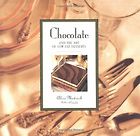
Your next book seems to be the ultimate achievement for many dessert lovers. In Chocolate and the Art of Low-Fat Desserts, Alice Medrich claims to make delicious desserts that cut out fat without compromising on taste.
Alice Medrich is a great recipe writer and cook book author. Her recipes always work really well. I just love this book because it shows that you don’t need to overload desserts with cream and egg yolks to make them great.
Her first book, Cocolat sounds like the richer version of this book.
Yes, but she sold her company and then it closed. And as with a lot of people who leave the restaurant or professional baking business, she likely revised how she ate (which I did, too). People go to restaurants and love the food, but they should see what is in it. That pasta you love probably has eight ounces of butter in it. Here she does some swapping, for example taking out some of the butter and adding cocoa powder to dial up the chocolate flavour. In America people say “fat is flavour!” which is not true. There are things that don’t have fat but have a lot of flavour, like espresso, marshmallows and raspberries.
Before we move onto the next book, I want to find out a bit about the dessert culture in Paris where you are living.
I tend to make things with a lot of fruit. I wrote an ice cream book so I often serve an ice cream or a sorbet with fruit, with a slice of cake, just because that is the way I like to eat. I love ice cream and you can make a sorbet which is very light, because everyone in France is always on a diet.
There is a big patisserie culture as well. Has that influenced you at all?
Not too much, because a lot of those desserts are things that you buy. People say to me, “Don’t you make your bread at home?” And I respond, “Why would I make my own bread? I live in Paris, it is really cheap and good here.” If I am going to get a fancy cake, I will buy it rather than make it. I have a small kitchen, so I am limited to what I can produce in it.
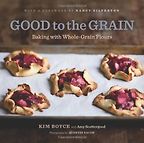
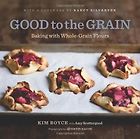
Next up is Kim Boyce’s Good to the Grain.
I like this book because it is very contemporary and it’s also the way I like to cook. There are all these lovely grains and different types of flours available at the market now, and she incorporates them into her desserts. It’s a way to add a lot of flavour, and make them interesting without being fussy. It is about the ingredients and not about fancy techniques.
It is also a backlash against the idea that whole grain is somehow boring and tasteless, and associated with health food shops.
Well I think whole grains always had taste, but anything badly made will be tasteless. There is the idea that white flour is better for baking than whole grain, but that isn’t always the case. There are lots of desserts made out of white flour that are terrible. When I make puff pastry I put wholewheat flour in it because it adds that wheat taste. You just have to know how to do it. You can’t use all wholewheat because it is too heavy, and that is what the book addresses. It teaches how to use these grains so that everything tastes good without being clunky.
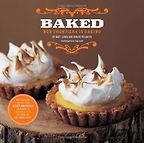
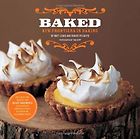
Your final choice is Baked by Matt Lewis and Renato Poliafito, who left the advertising business to start a bakery in Brooklyn.
They are two really interesting and wonderful guys. They opened a bakery and wrote a book, and they are modernising classic American desserts.
How?
They do things like make a chocolate layer cake, but add some salt to the glaze which gives it a nice twist. And that, I think, is how people like to eat today. They are looking for something with a unique twist to it.
What do you think about British puddings?
I love some of them. The problem is it is hard to find a lot of good ones made properly. Which is not just the case in Great Britain but anywhere in the world. Just because you are in a country, it doesn’t mean that everyone makes their native cuisine well. You ask someone where to find a good treacle tart in London and no one really knows. All those British comfort puddings are terrific, and I’m glad to see them making a comeback.
Get the weekly Five Books newsletter
Gastropubs are good on that kind of thing.
Yes, it is a great trend and I try to eat in them when I visit England.
So do you think about things like treacle tart as a truly British dessert? For me it is more food like apple crumble.
Well to me, crumble is American as well. So I wouldn’t go to England and order that because it’s something I get at home. I would order something like Christmas pudding. I have had desserts at a restaurant called St John which were very good – perfect examples of the best of Britain. It is simple English food, cooked well.
Out of all your books which is your favourite dessert?
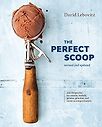
In The Perfect Scoop, my ice cream book which just came out in England, there is a rocky road ice cream with little marshmallow bits in it and candy peanuts, which I love.
September 2, 2012
Five Books aims to keep its book recommendations and interviews up to date. If you are the interviewee and would like to update your choice of books (or even just what you say about them) please email us at [email protected]
David Lebovitz began working in restaurants at the age of 16 and ended up at Chez Panisse in Berkeley, California, where he spent nearly 13 years in the kitchens. He has published many best-selling books and has a thriving website and blog, which is a place to share recipes and stories. He lives in Paris
David Lebovitz began working in restaurants at the age of 16 and ended up at Chez Panisse in Berkeley, California, where he spent nearly 13 years in the kitchens. He has published many best-selling books and has a thriving website and blog, which is a place to share recipes and stories. He lives in Paris