

History Books
recommended by historians
Last updated: March 31, 2025
History is the study of the past and so is very broad in scope. For a great introductory book to the subject, we recommend History: A Very Short Introduction by John Arnold. It opens with a murder and bills itself as a "work of enthusiasm" about history, laying out how history has been studied down the millennia and why it matters. If you're less interested in history as a discipline and just want to know what happened when, you could start out with A Little History of the World by E.H. Gombrich, aimed at teenagers.
For a more detailed look at specific topics or events, we’ve spoken to hundreds of historians over the past 15 years, asking them to recommend the best books in their field of study. You can find their recommendations by browsing below:
World history | Military History | American History | World War 2 | Popular History | Chinese history | British history | Ancient history | Medieval history | New History Books | History Books for Kids | Nonfiction Books | Pulitzer Prize |
-

1
Shadows at Noon: The South Asian Twentieth Century
by Joya Chatterji -
2
Courting India: England, Mughal India and the Origins of Empire
by Nandini Das -
3
Traders in Men: Merchants and the Transformation of the Transatlantic Slave Trade
by Nicholas Radburn -
4
Our NHS: A History of Britain's Best Loved Institution
by Andrew Seaton -
5
Winnie and Nelson: Portrait of a Marriage
by Jonny Steinberg -
6
Out of the Darkness: The Germans, 1942-2022
by Frank Trentmann
The Best History Books of 2024: The Wolfson History Prize, recommended by Diarmaid MacCulloch


The Best History Books of 2024: The Wolfson History Prize, recommended by Diarmaid MacCulloch
To win the Wolfson History Prize, a book must be both original and accessible to the general reader. British historian Diarmaid MacCulloch, one of the prize's judges, talks us through the six books that made the 2024 shortlist, from the voyage of an English diplomat to Mughal India to the intimacy of a South African marriage, from the barbarity of the slave trade in the 18th century to the history of an institution that provides free health care to all.
-
No Right to An Honest Living: The Struggles of Boston's Black Workers in the Civil War Era
by Jacqueline Jones -
Freedom’s Dominion: A Saga of White Resistance to Federal Power
by Jefferson Cowie -
Cuba: An American History
by Ada Ferrer -
Covered with Night: A Story of Murder and Indigenous Justice in Early America
by Nicole Eustace -
Franchise: The Golden Arches in Black America
by Marcia Chatelain
Pulitzer Prize-Winning History Books


Pulitzer Prize-Winning History Books
Every year, the Pulitzer Prize jury awards $15,000 to a “distinguished and appropriately documented book on the history of the United States.” We’ve compiled a guide to the winning books since the turn of the millennium.





The best books on World War II, recommended by Antony Beevor
The popular military historian Antony Beevor recommends some of his own favourite books about the Second World War.
-
1
The World of the Scythians
by Renate Rolle -
2
Wretched Kush: Ethnic Identities and Boundaries in Egypt's Nubian Empire
by Stuart Tyson Smith -
3
The Origins of Ancient Vietnam
by Nam C. Kim -
4
India: The Ancient Past
by Burjor Avari -
5
Foundations of an African Civilisation: Aksum and the Northern Horn, 1000 BC-AD 1300
by David Phillipson
The Best Books on the Wider Ancient World, recommended by Owen Rees


The Best Books on the Wider Ancient World, recommended by Owen Rees
Many of us love to read about ancient Greece or Rome and know a bit about ancient Egypt, but what lay beyond the Classical world we’re familiar with? Historian Owen Rees, author of The Far Edges of the Known World, recommends books on some of the other civilizations that flourished in ancient times, from Aksum in modern Ethiopia to Co Loa in modern Vietnam.
-
1
Woodrow Wilson: A Biography
by John Milton Cooper -
2
Lenin: A Biography
by Robert Service -
3
Mao: The Man Who Made China
by Philip Short -
4
The Hitler of History
by John Lukacs -
5
Gandhi: The Years That Changed the World, 1914-1948
by Ramachandra Guha -
6
A State at Any Cost: The Life of David Ben-Gurion
by Tom Segev
The Best Biographies of 20th Century Leaders, recommended by Michael Mandelbaum

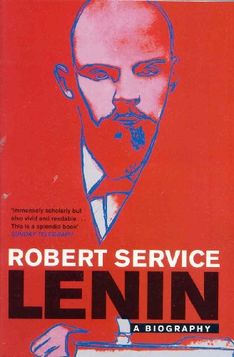


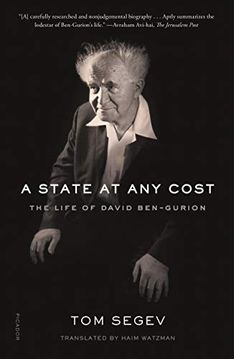
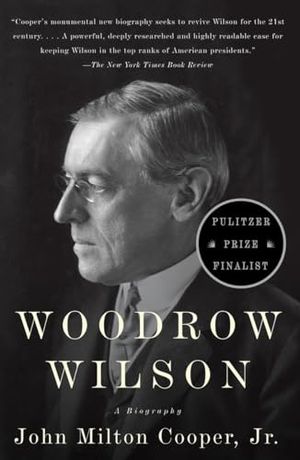

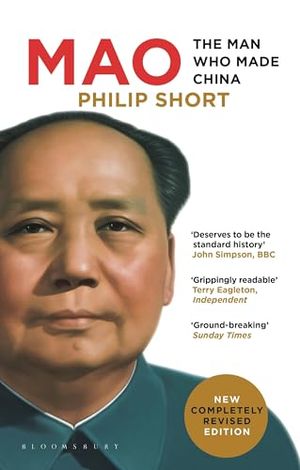


The Best Biographies of 20th Century Leaders, recommended by Michael Mandelbaum
The first half of the 20th century was an era when individuals could have a huge impact on the course of history—whether for good or bad, argues political scientist Michael Mandelbaum. He recommends the best biographies to read about the eight world leaders who feature in his latest book, The Titans of the Twentieth Century, from Woodrow Wilson (1856-1924) to Mao Zedong (1893-1976).



The best books on World War I, recommended by Jonathan Boff
It’s been more than 100 years since World War I ended, but there is still very little consensus about what caused it, or what its consequences were. Historian Jonathan Boff talks us through the latest books and best modern interpretations of World War I.
-
1
The Great Bridge: The Epic Story of the Building of the Brooklyn Bridge
by David McCullough -
2
Wilderness At Dawn: The Settling of the North American Continent
by Ted Morgan -
3
The Story of American Freedom
by Eric Foner -
4
This Republic of Suffering: Death and the American Civil War
by Drew Gilpin Faust -
5
In the Kingdom of Ice: The Grand and Terrible Polar Voyage of the USS Jeannette
by Hampton Sides
The best books on American History, recommended by Brent Glass





The best books on American History, recommended by Brent Glass
Which are the best books on American history? Brent Glass, Director Emeritus of the Smithsonian’s National Museum of American History, the world’s largest museum devoted to telling the story of America, chooses five standout books in a crowded field.


The best books on The Lessons of History, recommended by Roman Krznaric
History is too complex to be an easy guide for navigating the present, but that doesn’t mean the experience of those who came before can’t shed valuable insights into our current dilemmas. In his latest book, History for Tomorrow, social philosopher Roman Krznaric looks at ten crises currently facing the world and how lessons from the past might be able to help.
-
1
The Great Divergence: China, Europe, and the Making of the Modern World Economy
by Kenneth Pomeranz -
2
Cotton: the Fabric that made the Modern World
by Giorgio Riello -
3
The City of Blue and White: Chinese Porcelain and the Early Modern World
by Anne Gerritsen -
4
Vermeer's Hat: The seventeenth century and the dawn of the global world
by Timothy Brook -
5
Horizons: The Global Origins of Modern Science
by James Poskett
The best books on Global History, recommended by Maxine Berg







The best books on Global History, recommended by Maxine Berg
From the Indian cottons that were traded around Asia and Africa in the Middle Ages, to the global dominance of the blue-and-white pottery of Jingdezhen, historian Maxine Berg introduces five books that transformed our understanding of the past millennium and are significant milestones in the development of the vibrant field of global history.
-
1
The Revolutionary Temper: Paris, 1748–1789
by Robert Darnton -
2
France on Trial: The Case of Marshal Pétain
by Julian Jackson -
3
Monet: The Restless Vision
by Jackie Wullschläger -
4
Revolutionary Spring: Europe Aflame and the Fight for a New World, 1848-1849
by Christopher Clark -
5
Courting India: England, Mughal India and the Origins of Empire
by Nandini Das
The Best Nonfiction Books: The 2024 Duff Cooper Prize, recommended by Susan Brigden





The Best Nonfiction Books: The 2024 Duff Cooper Prize, recommended by Susan Brigden
If you’re looking for nonfiction with a literary sensibility and a historical bent, the books highlighted by the annual Pol Roger Duff Cooper Prize are a great place to start. British historian Susan Brigden, author of Thomas Wyatt: The Heart’s Forest and one of the prize’s judges, talks us through the 2024 shortlist — from war and revolution to the splendours of Mughal India and Monet’s garden at Giverny.
