Books on Autism
recommended by psychologists and writers
Last updated: February 19, 2025
Autism is a developmental disorder characterised by difficulties in social interaction, verbal and non-verbal communications and sensory oversensitivity. We've spoken to a number of experts on the subject and asked them to recommend the best books on autism, including Simon Baron-Cohen, director of the Autism Research Centre at Cambridge University, Barry Prizant, another of the world's leading scholars of autism spectrum disorders; and Uta Frith, a professor of cognitive development at UCL and author of a fascinating book on autism through history.
-

1
The Reason I Jump: One Boy's Voice from the Silence of Autism
by Naoki Higashida, translated by David Mitchell and Keiko Yoshida -
2
The Autistic Brain: Thinking Across the Spectrum
-
3
The Curious Incident of the Dog in the Night-Time
by Mark Haddon -
4
Neurotribes: The Legacy of Autism and How to Think Smarter About People Who Think Differently
by Steve Silberman -
5
My Brother Is Different
by Louise Gorrod
The Best Books for Parents of Autistic Children, recommended by Syreeta Brown


The Best Books for Parents of Autistic Children, recommended by Syreeta Brown
Don’t panic if your child is diagnosed with autism, says Syreeta Brown—author of the new parenting memoir Bigger Than the Moon. Here she selects five books that helped her understand her own daughter’s autism, and will help your family adapt.
-
1
Nerdy, Shy, and Socially Inappropriate: A User Guide to an Asperger Life
by Cynthia Kim -
2
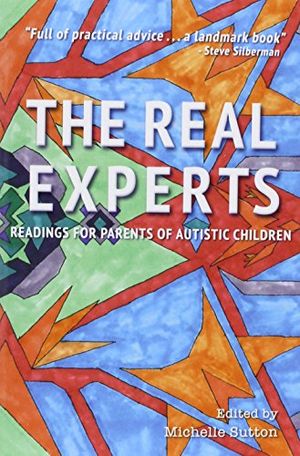
The Real Experts: Readings for Parents of Autistic Children
by Michelle Sutton (editor) -
3
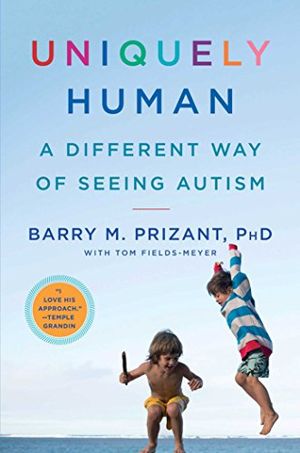
Uniquely Human: A Different Way of Seeing Autism
by Barry Prizant and Tom Fields-Meyer -
4
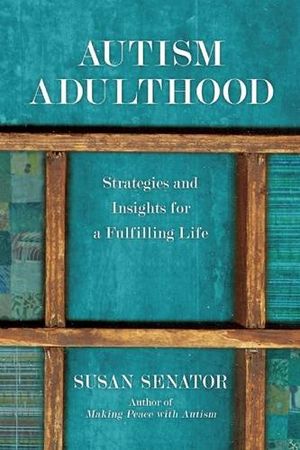
Autism Adulthood: Strategies and Insights for a Fulfilling Life
by Susan Senator -
5
The Eagle Tree
by Ned Hayes
The Best Autism Books, recommended by Steve Silberman



The Best Autism Books, recommended by Steve Silberman
Writing about autism has undergone an important shift, finally giving a voice to people with autism, says Steve Silberman, the winner of the 2015 Baillie Gifford Prize for his book tracing the history of autism, Neurotribes. He picks five recent books on autism.



The best books on Autism and Developmental Psychology, recommended by Simon Baron-Cohen
Simon Baron-Cohen, the longstanding director of the University of Cambridge’s multidisciplinary Autism Research Centre, offers some recommended reading (plus a film to watch) to help you improve your understanding of the experience of those on the autism spectrum, or of developmental psychology more generally.
-
1
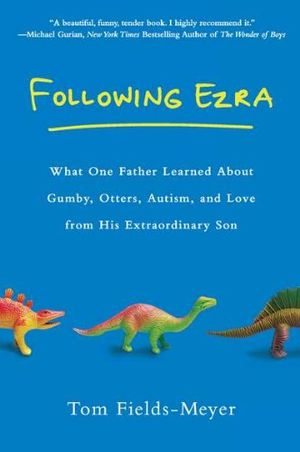
Following Ezra
by Tom Fields-Meyer -
2
Neurotribes: The Legacy of Autism and How to Think Smarter About People Who Think Differently
by Steve Silberman -
3
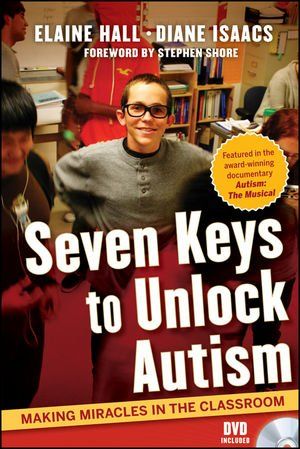
Seven Keys to Unlock Autism
by Elaine Hall -
4
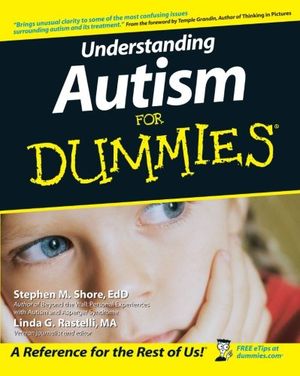
Understanding Autism for Dummies
by Stephen Shore and Linda Rastelli -
5
Asperger's from the Inside Out
by Michael John Carley
The best books on Autism, recommended by Barry Prizant



The best books on Autism, recommended by Barry Prizant
The award-winning clinical scholar and author of Uniquely Human, Barry Prizant, chooses his top five books on autism.


The best books on Autism, recommended by Uta Frith
The author of Autism and Talent and Autism in History puts her subject into historical context and tells us why studying the development of the mind continues to fascinate her
